"Living in Salinas, Ecuador: The Complete Expat Guide (2026)"

Quick Facts
- Location: Santa Elena province, on a peninsula jutting into the Pacific, about 2 hours from Guayaquil
- Population: roughly 50,000
- Climate: dry and sunny most of the year; windy and cooler during the garúa (misty) season from roughly June to November
- Rentals: $400–$800/month for a 2BR long-term; oceanfront high-rises higher
- Peak season: January–April, when snowbirds arrive from North America and Europe
- Whale watching: June–October
- Known for: Ecuador's most established beach-city expat scene
Salinas is the closest thing Ecuador has to a classic beach city: a curving bay, a modern malecón, high-rise condos, and a permanent expat community that doesn't disappear when the season ends. It's also more affordable than its skyline suggests — and more limited than a big city in ways that matter. Here's the honest picture.
Where Salinas Is — and What It Feels Like
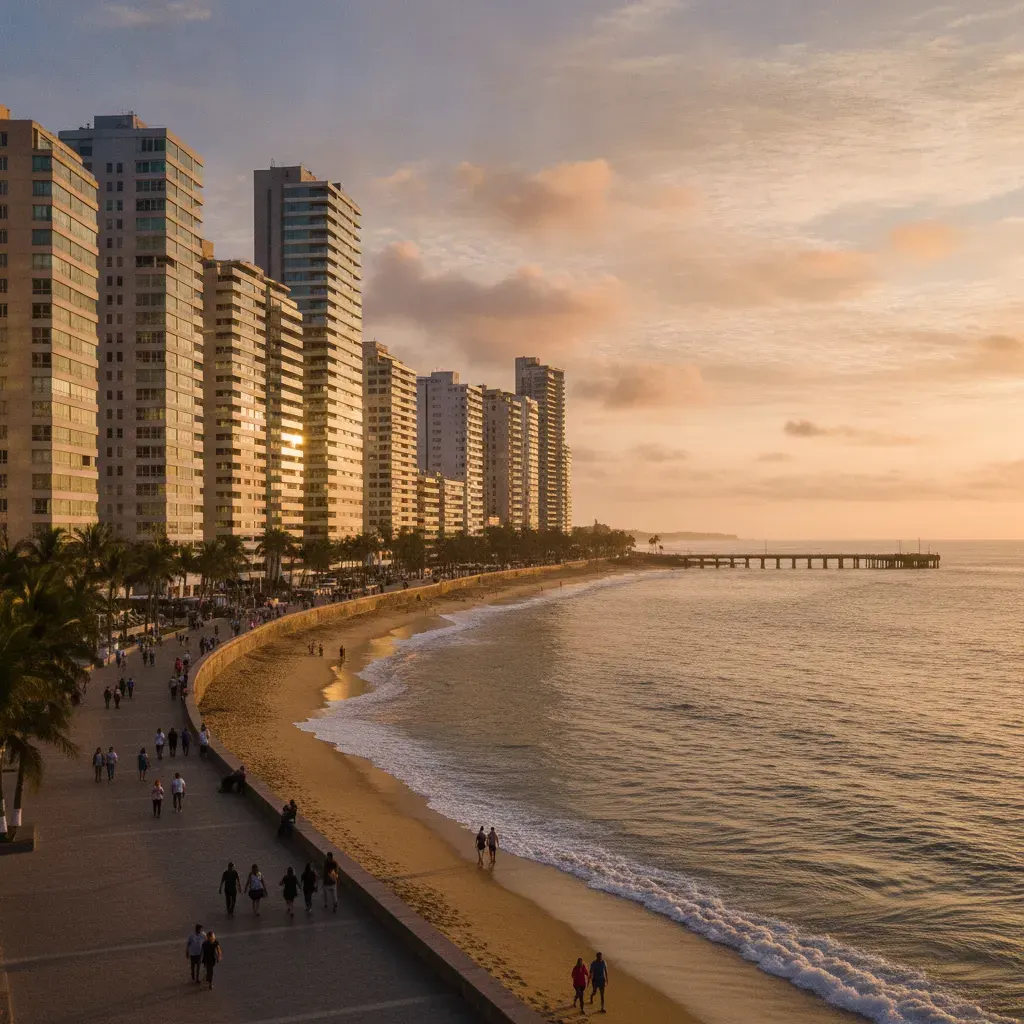
Salinas sits at the tip of the Santa Elena peninsula, Ecuador's westernmost point. It's a real city, not a resort: grocery stores, hardware shops, clinics, banks, and a working fishing fleet alongside the tourism economy. The malecón runs along the bay and fills with families on weekends, walkers at sunrise, and seafood restaurants that serve ceviche until late.
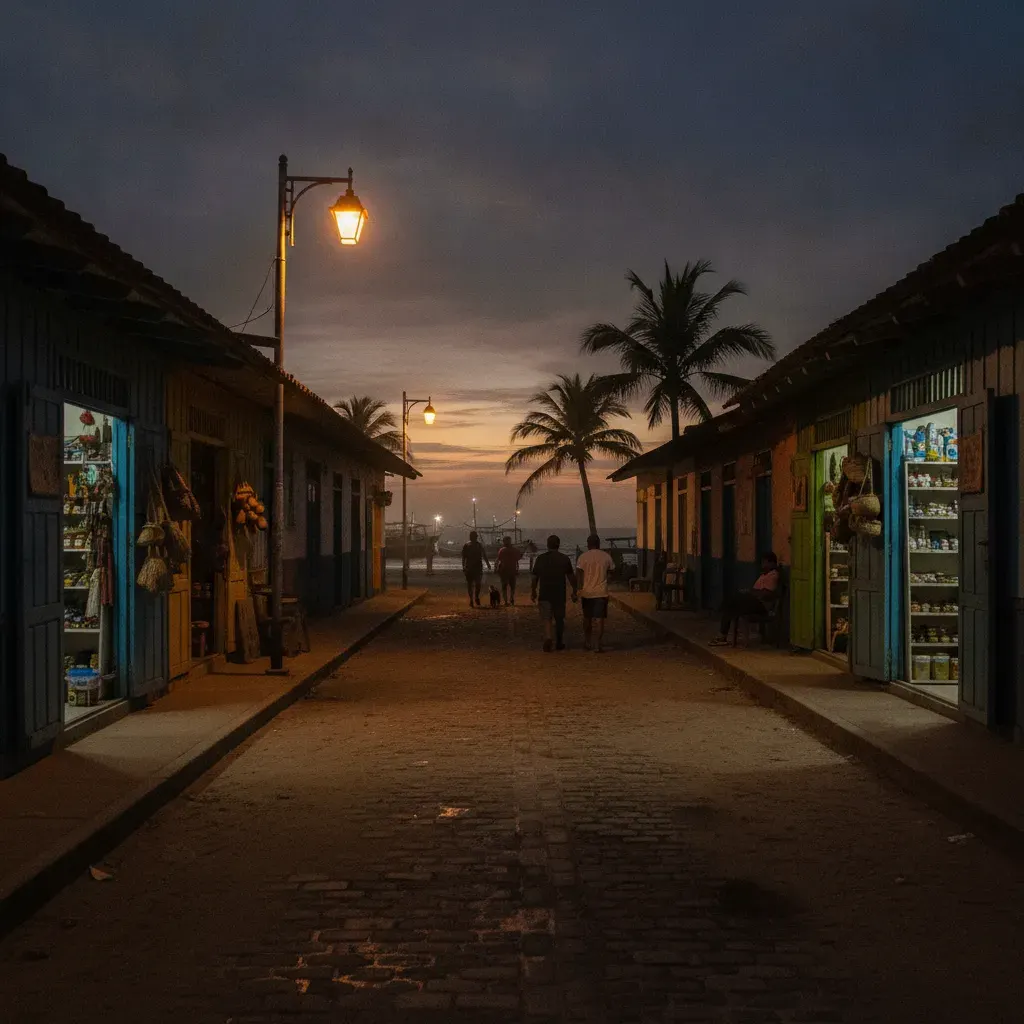
It feels distinctly Ecuadorian beach town — busy in season, sleepy outside it, with a core of year-round residents and expats who chose it for the combination of city services and ocean views.
Climate: Dry, Windy, and Cooler Than You'd Expect
Salinas has one of the coast's driest microclimates. Compared with the humid green hills around Puerto López or Canoa, rain here is scarce. The trade-off is wind and the garúa — a cool, misty overcast that settles in for stretches of the June-to-November season. Mornings can be breezy and cool enough for a light jacket, while afternoons often clear to sun. If you're chasing guaranteed tropical heat year-round, this isn't it. If you want less mold, less rain, and reliable sun for much of the year, it's a strong choice.
Neighborhoods
- Salinas centro — walkable, close to the malecón, restaurants, and services. Condos and older homes mix.
- Chipipe — the calmer, more residential beach across the point, popular with families and long-stay expats.
- San Lorenzo — quieter and more local, with a small beach and a fishing feel.
- La Libertad — technically the neighboring city, just minutes away, with cheaper rents, big supermarkets, and everyday services. Many expats live here and drive into Salinas for the beach.
The Seasonal Rhythm
From January to April, Salinas swells with snowbirds and vacationing Ecuadorian families; restaurants buzz, rents peak, and traffic picks up. The rest of the year is quieter — some businesses shorten hours or close, and you'll have the beach largely to yourself. Many expats find the off-season is when you get to know neighbors and the local rhythm.
What It Costs
As of late 2026, a two-bedroom long-term rental typically runs $400–$800 per month, with furnished oceanfront units higher. Utilities aren't usually included, and AC can push electricity to $60–$200+. Groceries, dining, and services are moderate — a good seafood lunch is inexpensive, and daily life costs far less than a U.S. beach city. Verify current figures locally, as prices move with the seasons.
Healthcare: Fine for Routine, Plan for Guayaquil
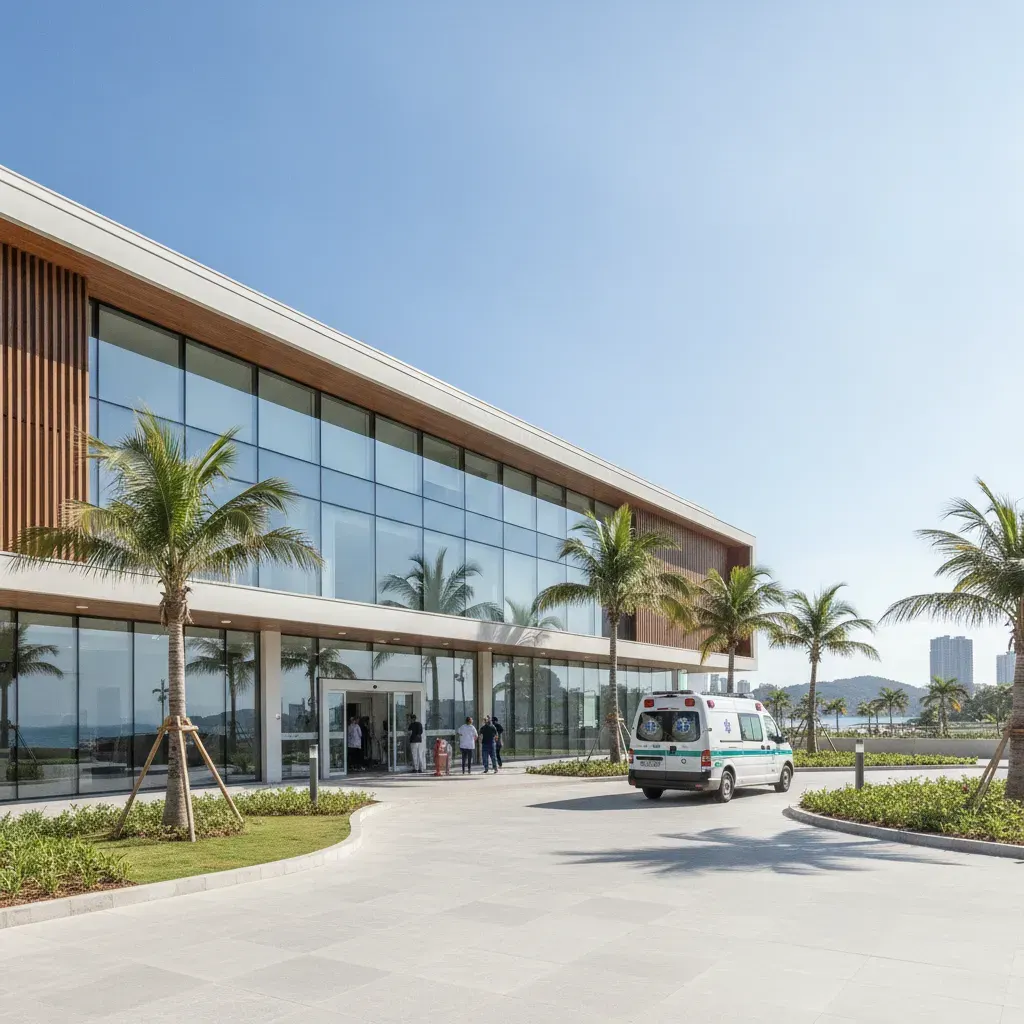
Salinas and neighboring Santa Elena and La Libertad have private clinics, labs, dentists, and a public hospital — enough for routine care and minor emergencies. Serious cases are typically referred to Guayaquil, about two hours away. Expats with chronic conditions or older parents often carry private insurance as a supplement; services like EcuaInsure work with coastal expats on coverage.
Shopping, Services, and Food
La Libertad has the big supermarkets and most everyday services; Salinas itself covers the basics. For serious shopping, many residents make the run to Guayaquil. Dining is heavy on seafood — ceviche, encebollado, corvina, and shrimp — with a growing mix of international restaurants in season.
Getting There
Most travelers fly into Guayaquil's José Joaquín de Olmedo airport, then take a bus or private car roughly two hours to Salinas. Salinas also has a small regional airport, but scheduled commercial service is limited — don't count on it as your primary link.
Things to Do
- Stroll or bike the malecón, especially at sunrise
- Whale watching from June to October, when humpbacks migrate past the peninsula
- Day trips to Santa Elena and the surrounding peninsula
- Montañita, the surf-and-nightlife town, is about 45 minutes up the coast
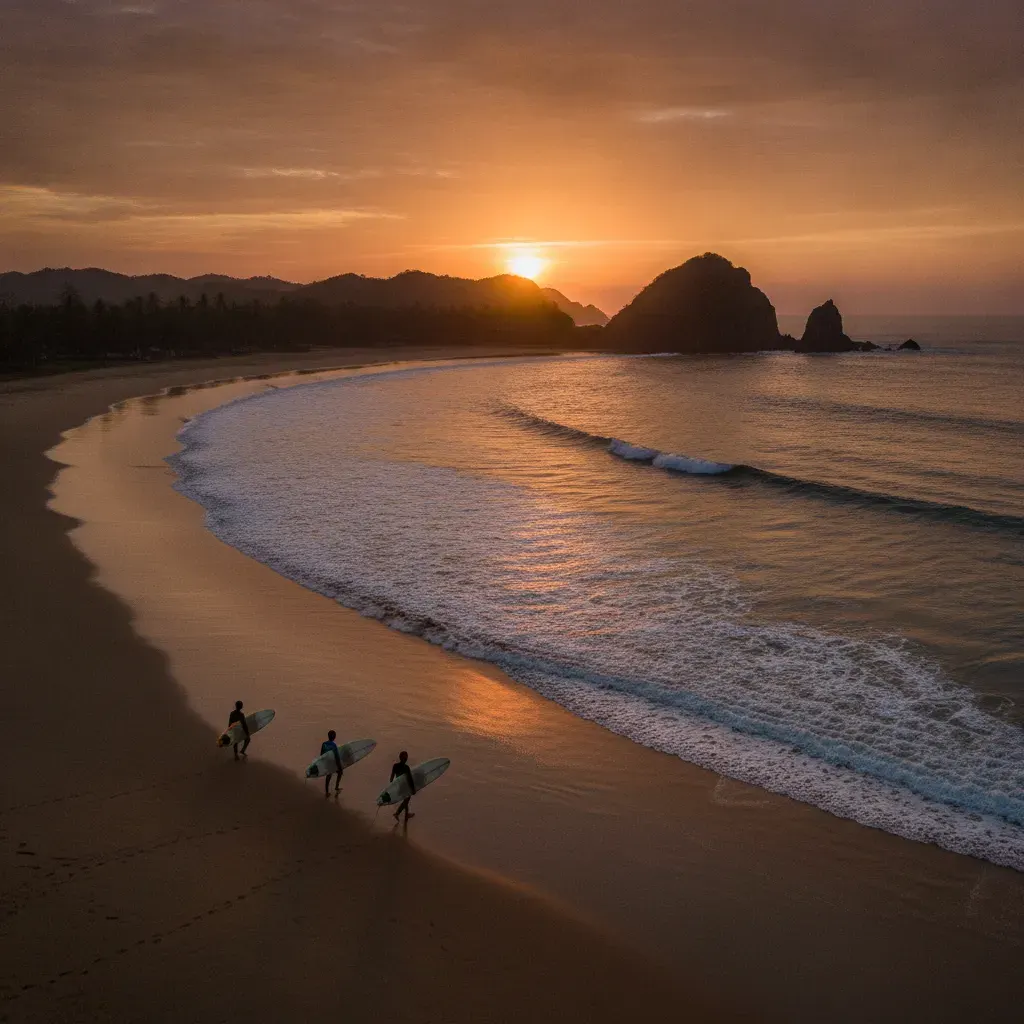
- Sportfishing, kite surfing, and long beach walks at Chipipe
Who Salinas Suits — and Who It Doesn't
It suits expats who want a real city at the beach: walkable services, a permanent community, a dry climate, and a straightforward path to Guayaquil for hospitals and airports. Snowbirds, retirees, and families with kids in school do well here.
It doesn't suit anyone dreaming of a rustic surf village, guaranteed year-round heat, or the lowest rents on the coast. For that, look at Olón, Ayampe, or Canoa — with the trade-offs those towns bring.
What This Means for Expats
Salinas is the coast's easy landing spot: enough infrastructure to feel comfortable on day one, an established expat network, and a climate that's dry more often than not. Come for a month in both seasons before committing, live near the services you'll actually use, and keep Guayaquil in your plans for anything serious. Do that, and Salinas is one of the most livable beach cities in South America.
Last updated: September 2026. General information only — verify details with official sources before acting.
Keep Coastal Ecuador's daily expat briefing independent.
Reader support helps pay for reporting, translation, editing, hosting, and the daily work behind CoastalEcuador.