Drug Trafficking Networks Target Coastal Ecuador's Fishing Sector, Leading to Sanctions and Interceptions

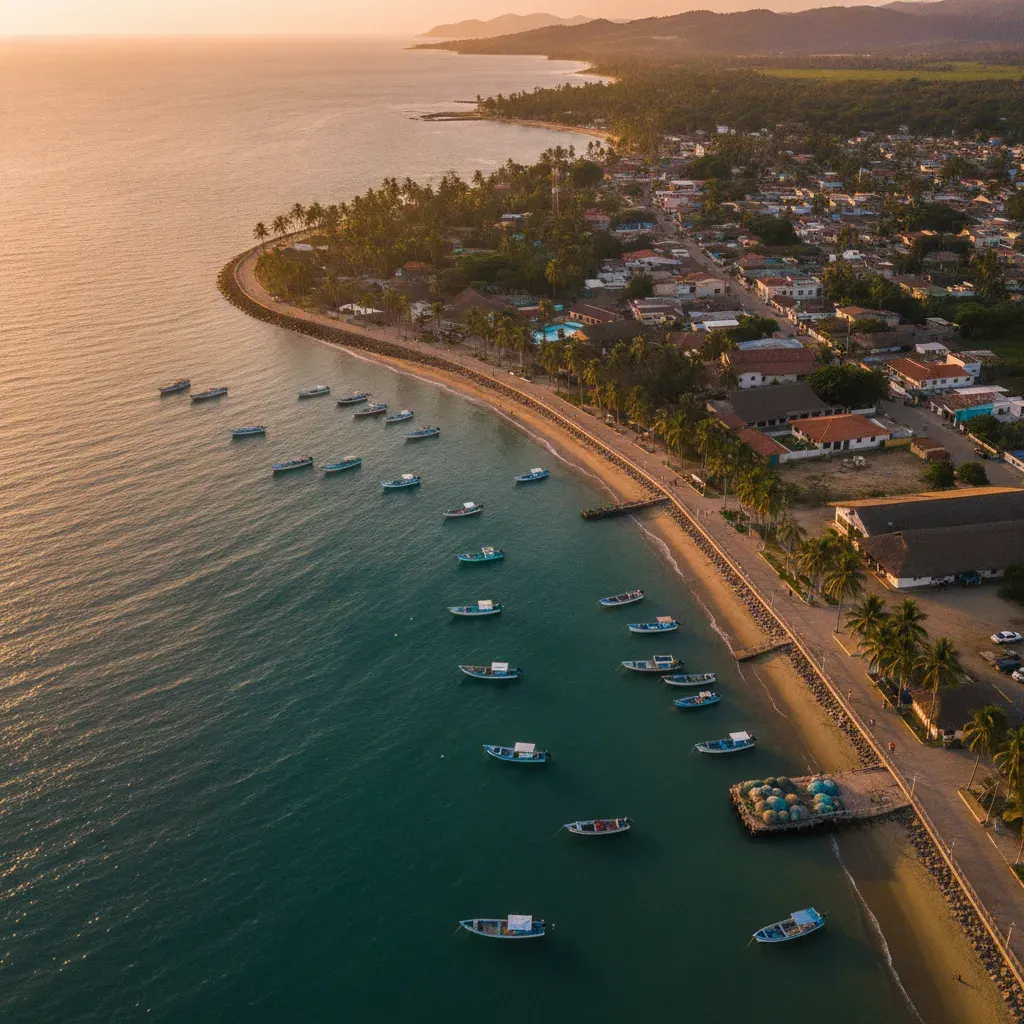
The coastal regions of Ecuador, particularly those with active fishing communities like Manta, are experiencing a growing challenge from organized crime. Recent reports and actions by international and national authorities shed light on how drug trafficking networks are leveraging the local fishing sector for illicit operations.
According to Colonel William Calle, commander of Zone 4 of the National Police, drug trafficking networks are offering substantial sums to fishermen. These offers can reach up to $100,000 for participation in maritime operations. For those involved in transporting fuel, the offer can be as high as $50,000. This financial incentive highlights the pressure and temptation faced by individuals within the fishing communities.
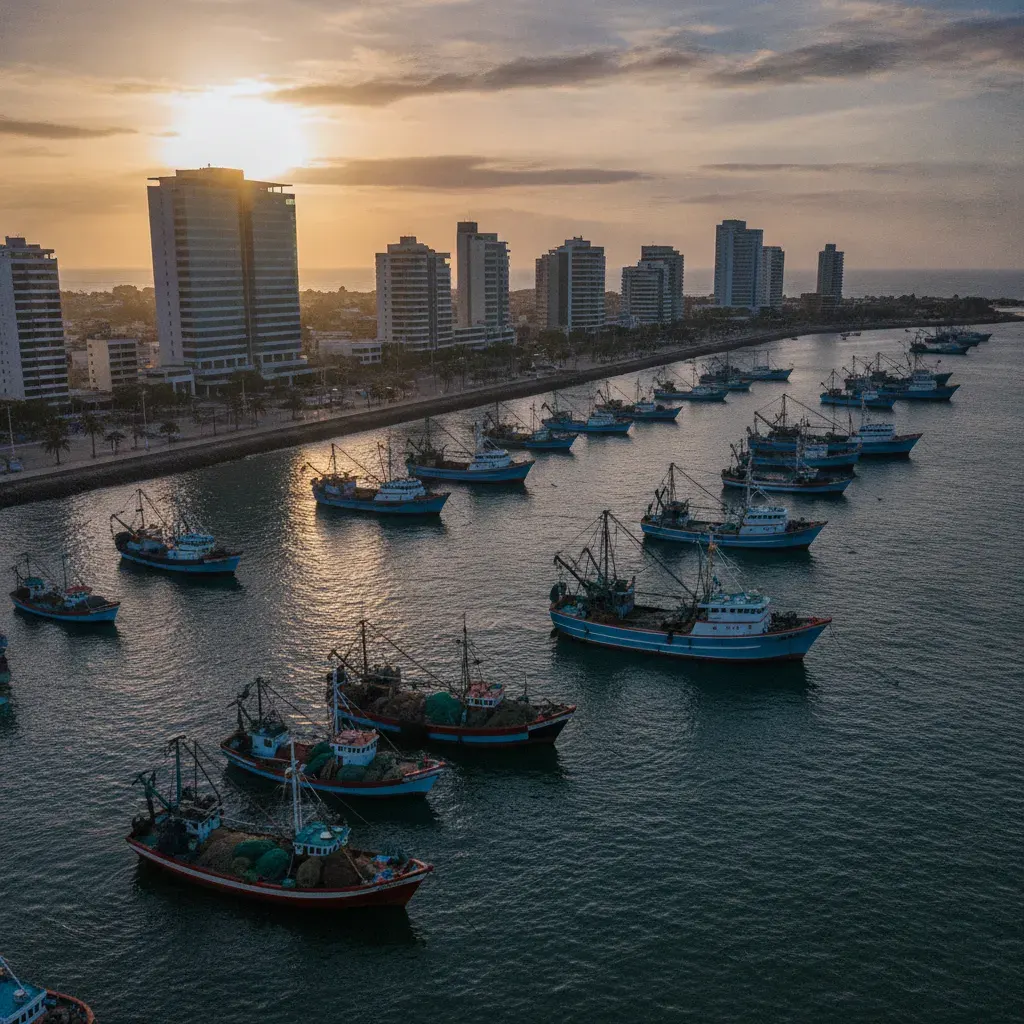
Further underscoring the issue, the Office of Foreign Assets Control (OFAC) of the U.S. Treasury Department published sanctions on August 20, 2026. These sanctions targeted eight individuals and seven companies based in Ecuador, and identified ten vessels as blocked property. The Treasury's statement indicated that a network operating near Manta was utilizing companies and vessels linked to fishing to transport cocaine and provide support to speedboats destined for Central America and Mexico.
The Ecuadorian Observatory of Organized Crime (OECO) in its 2025 report, the most recent available, identifies fishing vessels, artisanal boats, and small boats as potential tools in the drug trafficking chain. The OECO has documented the transfer of diesel and gasoline from coastal provinces like Manabí, Guayas, and Santa Elena to the high seas using fiberglass fishing boats. This fuel is then used to resupply larger vessels involved in illicit activities. The scale of this problem is reflected in crime reports related to hydrocarbons, which increased by 308% from 160 in 2020 to 652 in 2024.
International efforts to combat these activities are also intensifying. On August 28, the Southern Command (SOUTHCOM) reported intercepting a vessel in the Eastern Pacific. Intelligence indicated this vessel functioned as a floating refueling station and supported the criminal group known as Los Choneros. Between August 28 and September 16, SOUTHCOM reported a total of eight such interventions in the Eastern Pacific. The OFAC-identified blocked vessels include names such as Todos Vuelven, Arca de Noé III, Arca de Noé III Jr., Arca de Noé IV, Arca de Noé V, Conquista, Siempre Mi Arca, Rey de Arca, Costa Marlin, and Solo Es Mejor.
In a significant local operation, on September 19, National Police agents, through the Investigative Unit against Drug Trafficking, discovered approximately 1.6 tons of controlled substances in a mountainous and difficult-to-access area of Manta, specifically along the Pacoche-Liguiqui road. The cargo, consisting of 1,343 blocks of cocaine in 45 jute sacks, was estimated by the National Police to have an international market value of approximately $45 million. This operation occurred during the third day of a curfew in Manabí province. According to Antonio Tricerri, commander of Subzone Manabí N.° 13, intelligence work led to the discovery of the hidden cargo, which was believed to be destined for North America, Central America, and Europe.
What This Means for Expats
For expats living in or visiting coastal Ecuador, particularly in areas like Manta, Salinas, Montañita, Puerto López, Olón, Ayampe, Bahía de Caráquez, and Canoa, these developments highlight the ongoing challenges with organized crime. While these activities primarily target the fishing industry and maritime routes, an increased presence of law enforcement and military operations, such as curfews and interdictions, may be observed. It is important to remain aware of local security advisories and to understand that the economic pressures on local communities can sometimes lead to involvement in illicit activities. Expats should exercise caution, avoid engaging in any activities that seem suspicious or offer unusually high returns, and report any concerns to local authorities. The focus of these operations is on disrupting large-scale trafficking, but general vigilance is always advisable in any foreign country.
Image: existing site image, illustrative.
Keep Coastal Ecuador's daily expat briefing independent.
Reader support helps pay for reporting, translation, editing, hosting, and the daily work behind CoastalEcuador.