El Niño Strengthens Off Ecuador's Coast: What Expats Should Know About Changing Weather and Marine Life


The El Niño phenomenon continues to strengthen in the equatorial Pacific, maintaining an active signal directly off the coasts of Ecuador and Peru. Recent data from the National Committee for the Regional Study of El Niño Phenomenon (CN-Erfen), following their September 17 meeting, indicates significant changes in oceanic and atmospheric conditions that could impact coastal living.
Sea surface temperatures have reached notable anomalies. In the Niño 1+2 region, which is directly off Ecuador and Peru, temperatures have been up to 4.5 °C above normal. The central Pacific's Niño 3.4 region also saw anomalies of up to 2.9 °C. These elevated surface temperatures, ranging between 26 °C and 27 °C, extend to deeper layers of the ocean. Furthermore, the oceanic heat content remains high, and sea levels in certain sectors are registering anomalies greater than 30 centimeters above average. The Ecuadorian El Niño Phenomenon Index (Iefen) is currently in an active condition.
Beyond the ocean, atmospheric signals consistent with El Niño are becoming more apparent. The Southern Oscillation Index (SOI) is strongly negative, with values near -18.7, and there are persistent wind anomalies and increased convective activity in the central and east-central equatorial Pacific. In Ecuador, the first half of September saw increased humidity and rain episodes in the northern, central, and interior parts of the Litoral region. Precipitation in these areas was above normal, while the southern Litoral and parts of the coastal profile experienced below-average rainfall. This indicates a more active, though still irregular, regional atmospheric response compared to previous weeks.
International centers, including NOAA, predict that El Niño will continue to intensify over the coming months. NOAA estimates a greater than 90% probability that the event will reach a very strong intensity towards the end of 2026, particularly in the central equatorial Pacific. However, Ecuadorian authorities emphasize that the intensity of ocean warming alone does not determine the full magnitude of potential impacts in Ecuador.
For the period between September 17 and October 2, the National Institute of Meteorology and Hydrology (Inamhi) forecasts occasional rains along the Coast. These rains are expected to show a tendency towards greater intensity and frequency in provinces like Esmeraldas, Manabí, Santo Domingo de los Tsáchilas, Los Ríos, and northern Guayas. The first days of September already saw 37 rain-related events in the Litoral region, primarily in Los Ríos, Santo Domingo de los Tsáchilas, and Esmeraldas, affecting 1,316 people, with most damage concentrated in Los Ríos. Additionally, three events related to swells were reported in El Oro, and thirteen floods linked to high tides occurred in Guayaquil, though these did not result in affected individuals.
Marine life is also expected to be impacted. The Public Institute for Aquaculture and Fisheries Research (Ipiap) predicts that if current conditions persist, catches of small pelagic fish such as mackerel, pinchagua, chuhueco, and sardines could decrease. Bigeye tuna availability might be reduced by 30% to 50%, and yellowfin tuna may move to greater depths. Conversely, marine shrimp and dorado could see increased presence.
CN-Erfen warns that the last quarter of 2026 will be crucial in determining if the observed atmospheric response becomes more persistent. If the interaction between the warm ocean and the atmosphere over Ecuador consolidates, the upcoming rainy season in the Coast and Galápagos could experience above-normal precipitation. The exact magnitude and distribution of these rains will depend on other atmospheric factors.
What This Means for Expats
For expats living along Ecuador's Pacific coast in areas like Manta, Salinas, Montañita, Puerto López, Olón, Ayampe, Bahía de Caráquez, and Canoa, these developments suggest a need for preparedness. The forecast for increased rainfall, especially in northern and central coastal provinces, means you should anticipate heavier and more frequent downpours. This could lead to localized flooding, particularly in low-lying areas or those with inadequate drainage. It's a good time to ensure your property is ready for heavy rains, checking gutters, drains, and any potential water entry points.
The elevated sea levels, exceeding 30 centimeters in some areas, combined with potential swells, could affect coastal infrastructure and access to beaches. Be mindful of beach conditions and any local advisories regarding high tides or strong currents. If you rely on local seafood, be aware that the availability and pricing of certain fish species, like sardines and bigeye tuna, might fluctuate due to changes in marine ecosystems. However, other resources like shrimp and dorado could become more abundant. Staying informed through local news and official weather advisories from agencies like Inamhi and Erfen will be key to navigating the evolving conditions. While the full extent of El Niño's impact is still developing, understanding these trends allows for proactive planning and adaptation to the changing coastal environment.
Sources: eluniverso.com; eluniverso.com.
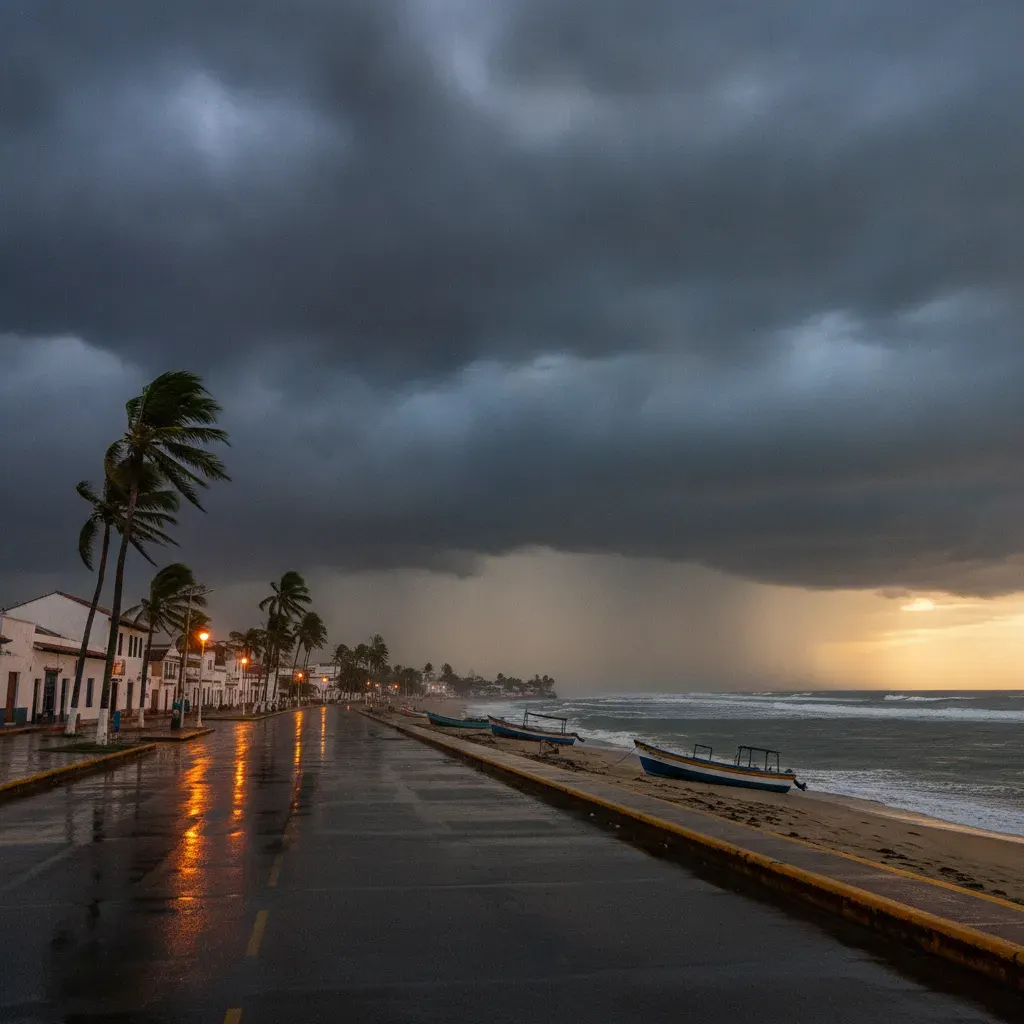
Image: AI-generated illustration.
Keep Coastal Ecuador's daily expat briefing independent.
Reader support helps pay for reporting, translation, editing, hosting, and the daily work behind CoastalEcuador.