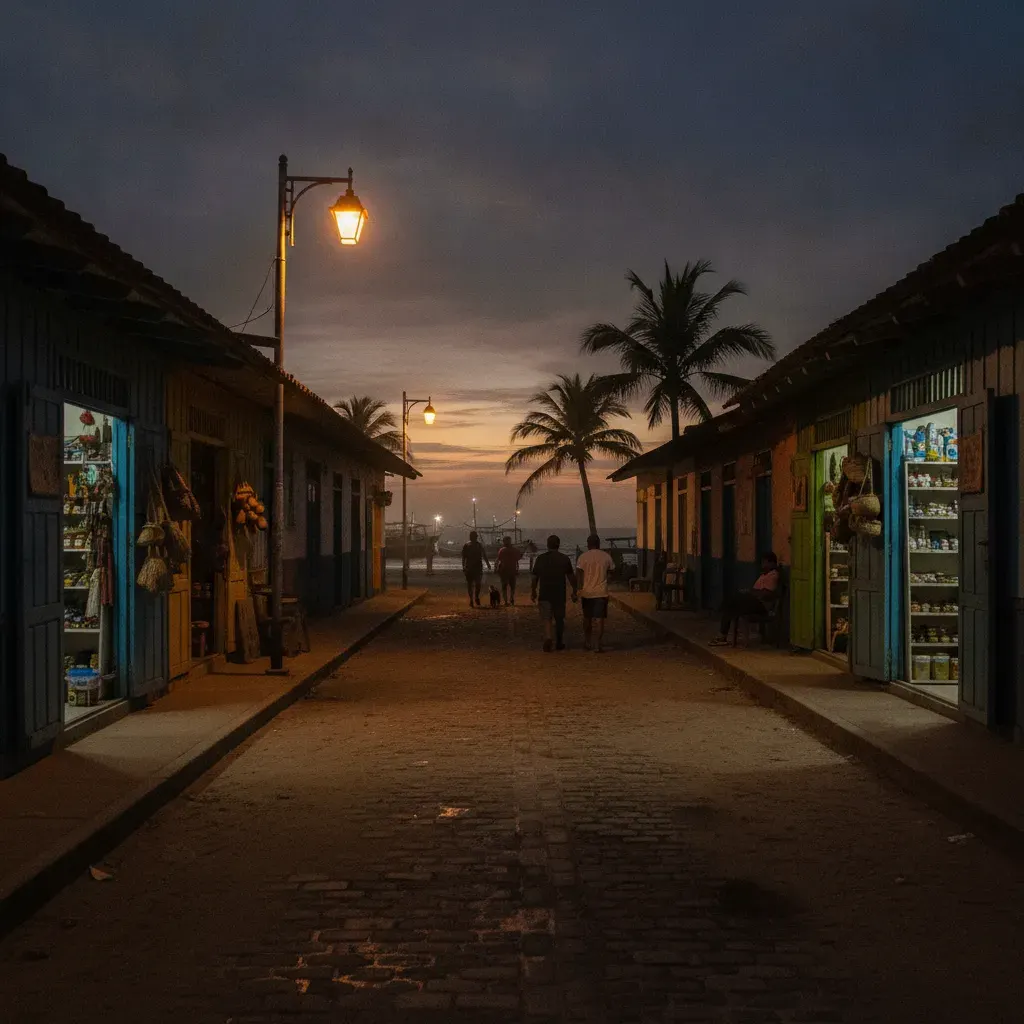
"Ecuador Coast Rainy Season: What Expats Should Expect (2026)"

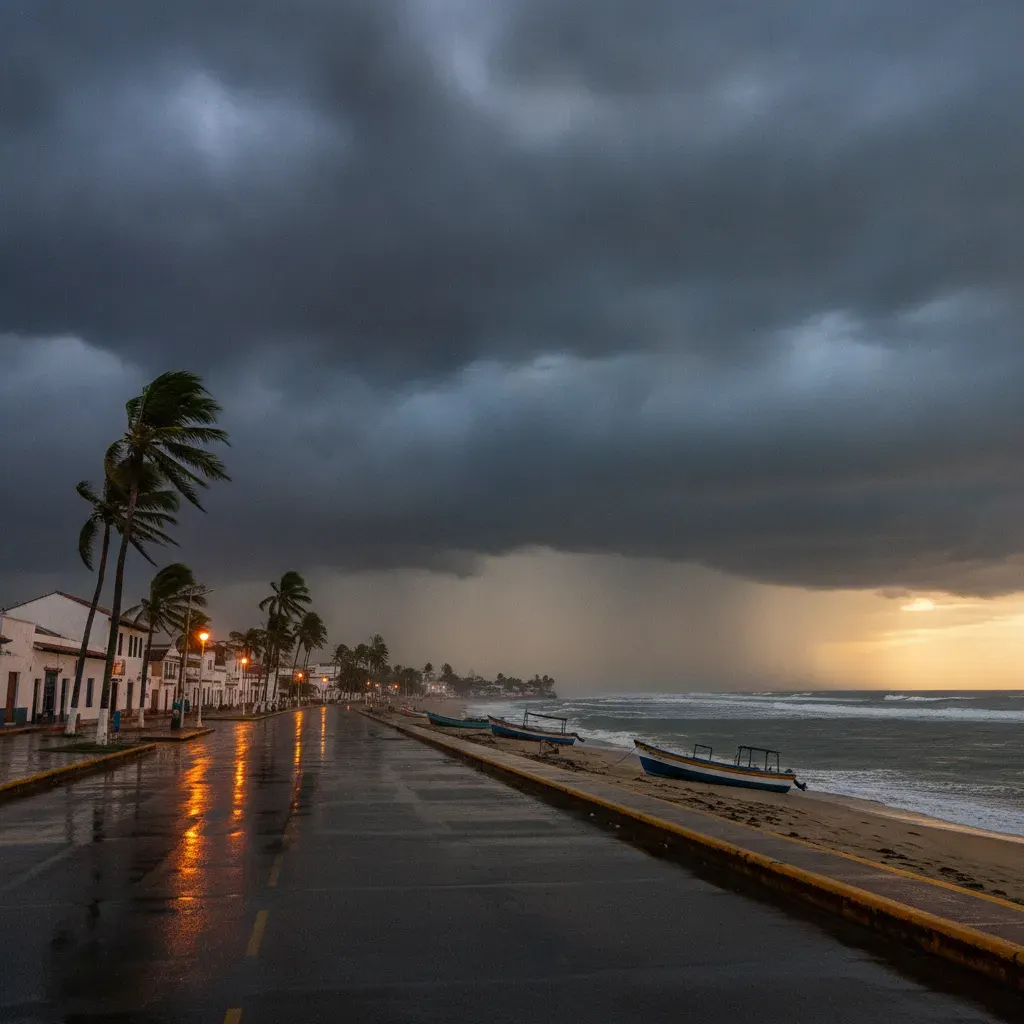
If you're new to Ecuador's coast, the first thing to understand is that the year runs on two seasons, not four. The wet season roughly spans December or January through April or May, and the garúa season — drier, cooler, often overcast — covers the rest of the year. Which one you get, and how extreme it is, depends heavily on El Niño and La Niña patterns in the Pacific.
The Wet Season (Roughly December–May)
This is summer in name — school is out, the water is warm — but it's also when the rain comes, usually in heavy overnight bursts rather than all-day drizzle. Expect high humidity, mosquitoes, and hills that turn an impossible green. The wettest months on the coast typically land between January and April.
The Garúa Season (Roughly May–November)
The second half of the year is drier and cooler. In places like Salinas, that often means garúa — a fine, gray mist that hangs over the coast, especially in the mornings. It isn't rain exactly, but it can feel like a permanent overcast. Many expats find it comfortable; others miss the sun and plan trips inland.
What Actually Breaks
- Roads. Heavy rain means washouts and landslides, especially on rural stretches of the coastal highway.
- Power. Outages happen year-round, but storms increase them.
- Water. Municipal service can be interrupted, particularly late in the dry season when wells and supplies run low.
Home Prep Before the Rain Arrives
- Check the roof and seal leaks before December, not during the first storm.
- Clear drains, gutters, and low spots where water pools.
- Plan for mold: ventilation, a dehumidifier, and regular airing of closets and mattresses.
- Install or repair window screens — mosquitoes are the real quality-of-life issue.
- Trim trees away from rooflines and power lines where you can.
Vehicle Prep
- Good tires and working wipers are non-negotiable.
- Keep the tank reasonably full during stormy stretches.
- Avoid flooded low roads and river crossings — turn around rather than test the depth.
Health: Dengue Is the One to Take Seriously
Dengue is a real risk on the coast, particularly during and after the wet months. Prevention basics matter more than any supplement:
- Eliminate standing water around your property — buckets, tires, plant saucers, clogged gutters.
- Use repellent, especially at dawn and dusk.
- Repair screens and consider mosquito nets in high-exposure homes.
- Know the warning signs of severe dengue and seek medical care promptly.
El Niño Years Are Different
In strong El Niño events, coastal rainfall can run 200% or more above normal, with serious flooding. Forecasts shift, so don't rely on last season's pattern — follow INAMHI (Ecuador's meteorological service) and municipal alerts as of late 2026, and take official warnings seriously.
Month-by-Month Quick Guide
| Months | Season | What to expect |
|---|---|---|
| December–May | Wet season | Warm and humid, heavy overnight rain, mosquitoes, green hills |
| June–November | Garúa / dry | Cooler and drier, overcast mornings, better road conditions |
The transition months — May and December — can go either way in any given year.
Why Many Expats Prefer the Green Season
Here's the counterintuitive part: plenty of coastal expats say they prefer the wet season. The coast is quieter, the landscape is spectacular, produce is abundant, and the heat is tempered by afternoon cloud. The garúa months, meanwhile, can be gray for weeks on end. Neither season is "bad" — they're just different, and most people develop a favorite.
Travel Planning
Build flexibility into rainy-season travel. Flights and long bus rides are rarely cancelled for rain alone, but road closures can reroute you. If you're driving the coast between January and April, plan shorter legs and start early in the day.
What This Means for Expats
Rent or buy with the seasons in mind: a home with good drainage, cross-ventilation, and screens is worth more than one with a better view. Budget for a dehumidifier and a modest bump in your electric bill. Get health coverage sorted before you need it — services like EcuaInsure exist for exactly that. And when the forecast looks serious, believe it. Ecuadorians on the coast have seen this movie before, and following their lead is good advice.
Last updated: September 2026. General information only — verify details with official sources before acting.
Keep Coastal Ecuador's daily expat briefing independent.
Reader support helps pay for reporting, translation, editing, hosting, and the daily work behind CoastalEcuador.