Is Coastal Ecuador Safe? An Honest 2026 Expat Safety Guide

Is Coastal Ecuador Safe? An Honest 2026 Expat Safety Guide
Let's skip the two extremes. Coastal Ecuador is not a war zone, and it is not Mayberry either. Ecuador has faced a genuine national security crisis in recent years, and the coastal provinces have generally seen higher crime rates than the sierra. If you're considering a move, you deserve a clear-eyed picture — not a real estate pitch.
The Current Context
On September 15, 2026, Executive Decree 498 declared a 60-day state of exception in eight provinces, including Manabí, Santa Elena, Guayas, Esmeraldas, and El Oro — the provinces that cover most of the coast where expats live. A curfew from 00:00 to 05:00 was announced for September 17-30 in El Oro, Guayas, Los Ríos, and Manabí.
What this means practically: expect a heavier military and police presence, possible checkpoints, and restricted movement late at night in affected areas. Curfews and decree details can change quickly — verify through official government channels and your local municipality before making plans. Do not rely on a blog post, including this one, for the current status.
Neighborhoods vs. City Centers
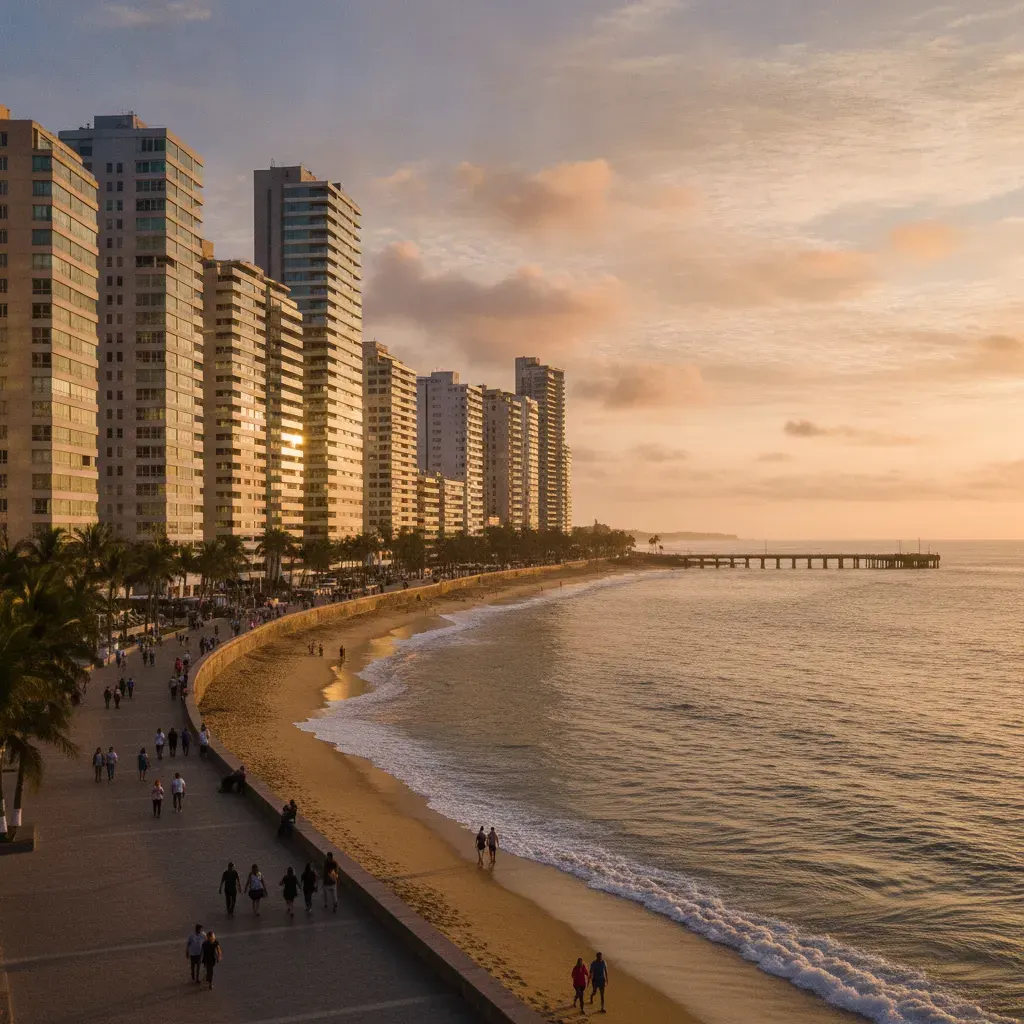
Crime on the coast is not uniform. In most coastal cities, the risk concentrates in specific neighborhoods, particularly at night. Expats generally report feeling comfortable in well-trafficked, residential, and tourist-adjacent areas during daylight, and more cautious after dark.
The practical takeaway: know your specific neighborhood, not just your city's reputation. Ask long-term residents, walk the area at different hours, and pay attention to lighting and foot traffic.
What Expats Actually Report
The balanced version, based on the kinds of stories expats share with each other:
- Most days are uneventful. Grocery runs, beach walks, dinners out — normal life.
- Petty theft is the most common issue. Phones snatched in crowds, bags taken from chairs, bikes stolen.
- Home break-ins happen, especially in unoccupied seasonal rentals and poorly secured houses.
- Violence exists but typically involves local dynamics that expats are not part of.
- Common sense goes a long way. The people who get into trouble are often the ones treating coastal Ecuador like a resort with no rules.
Specific Situations to Handle Carefully
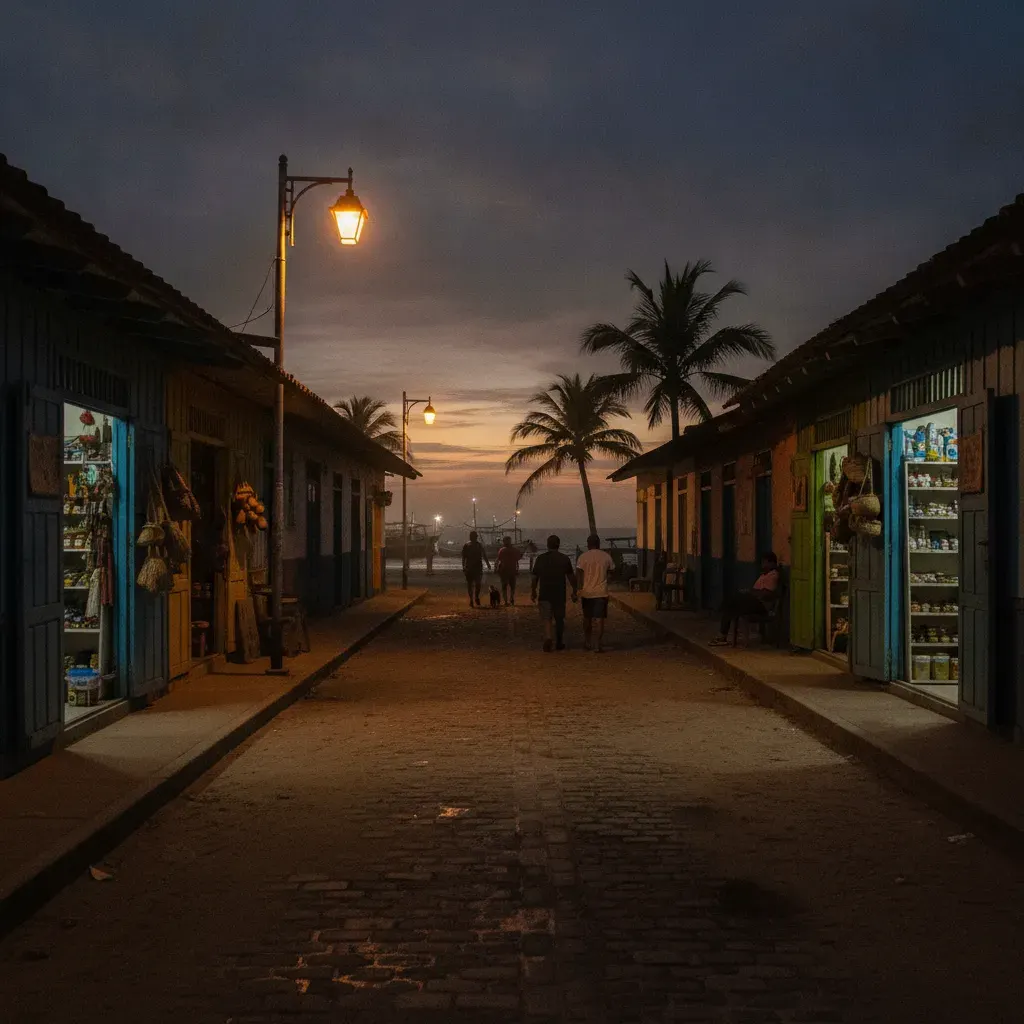
Beaches at night. Avoid isolated beaches after dark, whether alone or in a small group. This is the single most repeated piece of advice from long-term residents.
Phone theft. Keep your phone out of sight in crowds, at festivals, on buses, and while waiting at intersections. Don't walk and text on quiet streets.
ATMs and express kidnappings. Use ATMs inside banks, malls, or supermarkets during daylight. Withdraw modest amounts. If approached after a withdrawal, don't resist — your life is worth more than the cash. Vary your routines.
Interprovincial buses. Overnight buses are the highest-risk option. If you must travel at night, keep valuables on your person, not in overhead bins, and choose reputable companies.
Rental security. Look for gated entries, good lighting, and a safe or locked closet. If you're away for long stretches, arrange for someone to check the property and avoid advertising your absence.
Taxis and rideshare. Use apps or registered taxis. Don't get into unmarked cars. Share your route with someone if it's late.
A Practical Safety Checklist
- Save 911 in your phone — Ecuador's national emergency number.
- Keep a photocopy of your passport and cédula separate from the originals.
- Carry a decoy wallet or small amount of cash for the rare bad encounter.
- Know the nearest hospital and clinic to your home — Manta's private hospital offers 24/7 emergency care; in Salinas, serious cases often go to Guayaquil.
- Register your address with your embassy or consulate.
- Build relationships with neighbors. Local eyes are the best security system you can have.
- Keep emergency cash and a charged power bank at home.
- Agree on a check-in routine with family abroad.
- Follow local news in Spanish, not just expat forums. Understanding what's actually happening beats rumor.
- Consider travel or health insurance that covers emergency evacuation. EcuaInsure (https://ecuainsure.com) is a common resource for expat coverage.
What This Means for Expats
The honest answer is that safety here is a habits question more than a location question. Expats who avoid isolated beaches at night, keep valuables discreet, stay aware of the current security decrees, and invest in their neighborhood relationships generally live comfortably. Those who ignore local realities — or who assume the coast is a permanent vacation — get surprised.
Also remember that the state of exception is a temporary legal tool, and conditions have shifted repeatedly over the past several years. Check official sources regularly, and treat any single snapshot as just that.
Last updated: September 2026. General information only — verify details with official sources before acting.
Keep Coastal Ecuador's daily expat briefing independent.
Reader support helps pay for reporting, translation, editing, hosting, and the daily work behind CoastalEcuador.