Coastal Ecuador's Fishing Industry Grapples with Drug Trafficking and Economic Pressures

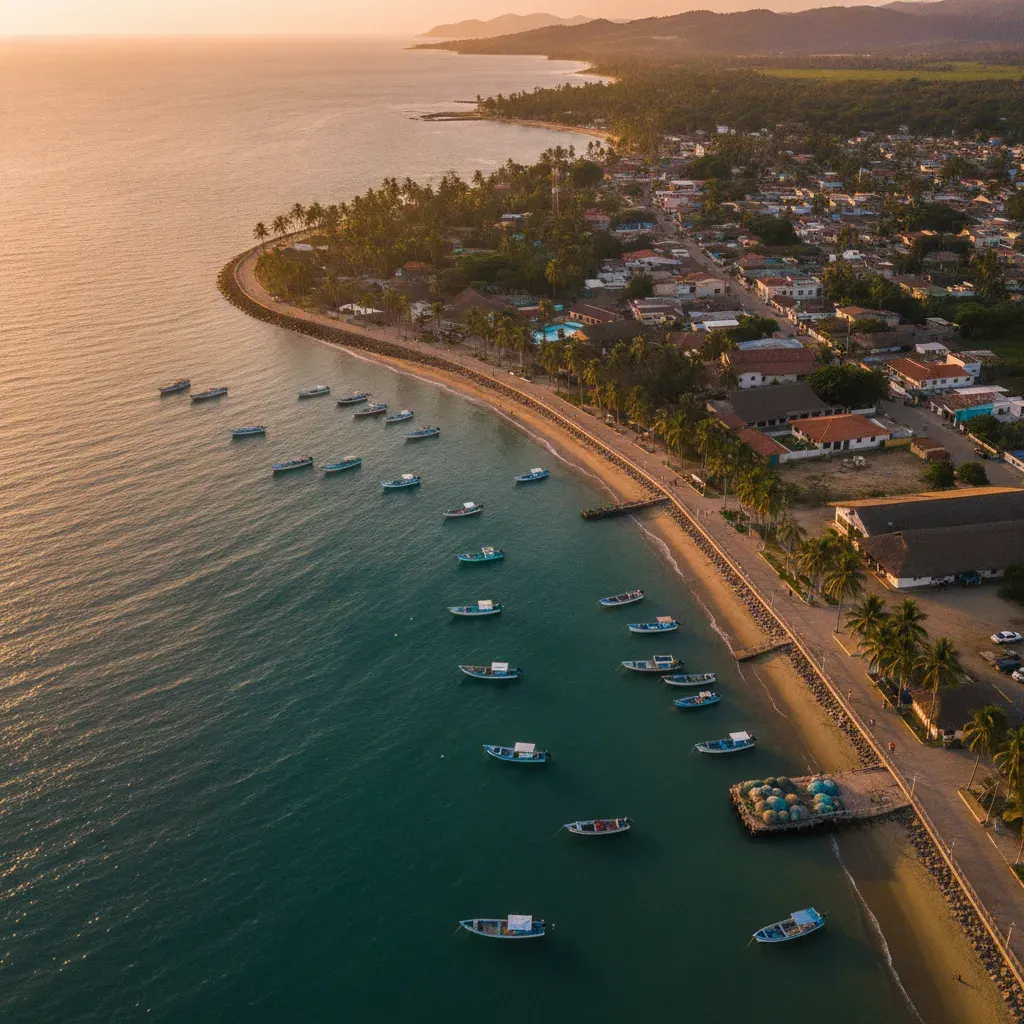
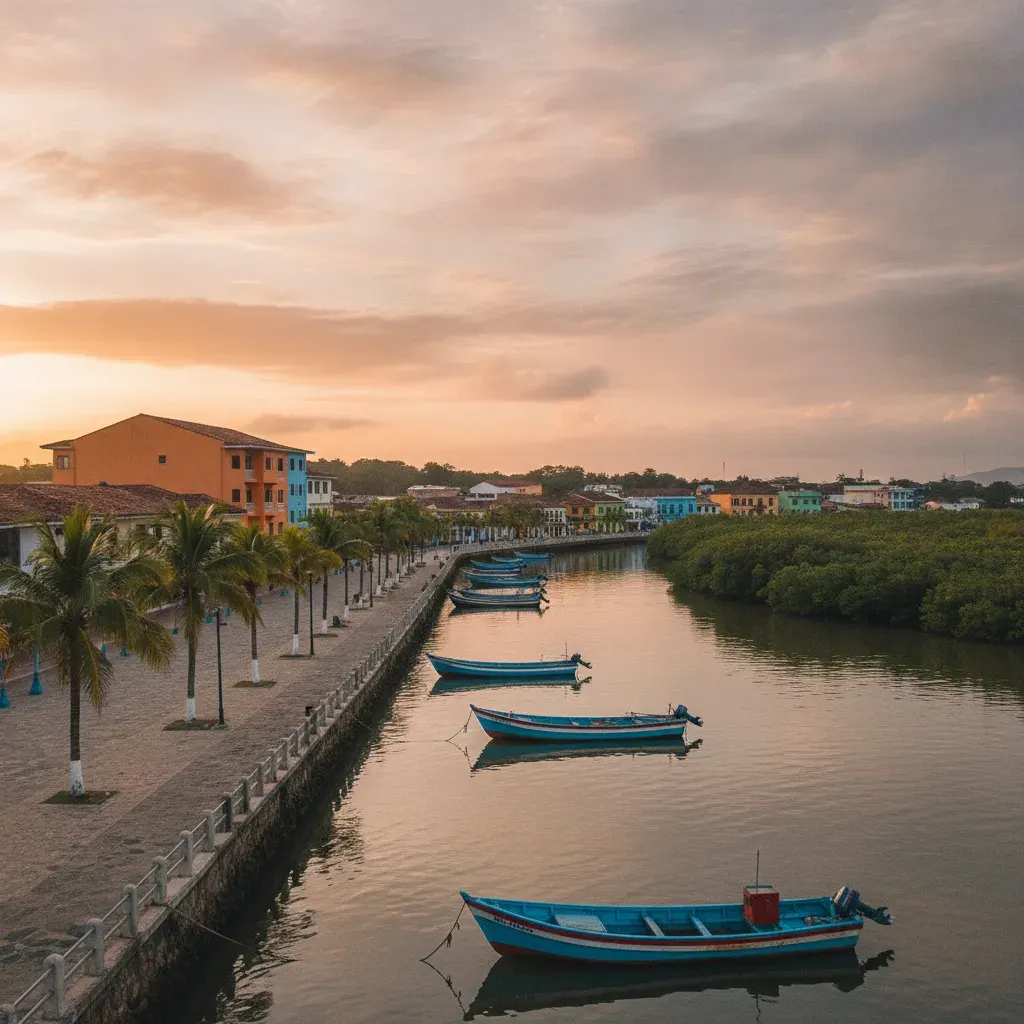
Ecuador's Pacific coast, a vibrant hub for fishing and tourism, is currently navigating complex challenges stemming from the intersection of economic pressures and organized crime. Recent reports and international actions shed light on how drug trafficking networks are exploiting the local fishing industry, particularly in Manabí, a province central to many expat communities.
According to Colonel William Calle, commander of Zone 4 of the National Police, drug trafficking networks are offering substantial sums, up to $100,000, to fishermen to participate in maritime operations. This financial incentive is a stark indicator of the pressures faced by communities where economic opportunities can be limited.
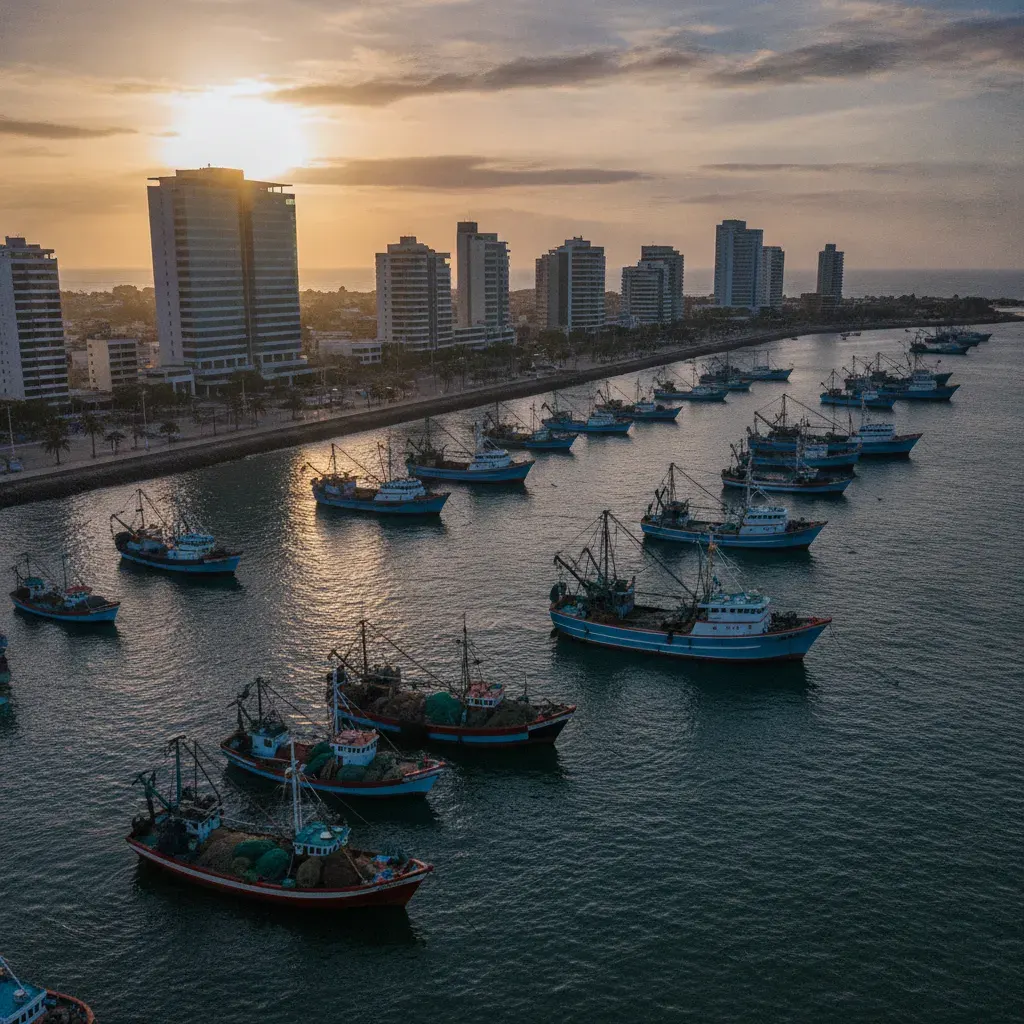
Further underscoring the severity of the situation, the U.S. Department of the Treasury's Office of Foreign Assets Control (OFAC) announced sanctions on August 20, 2026. These sanctions targeted eight individuals and seven Ecuador-based companies, identifying ten vessels as blocked assets. A Treasury statement indicated that a network operating near Manta utilized fishing-linked companies and vessels to transport cocaine and support speedboats heading towards Central America and Mexico.
The 2025 Organized Crime Characterization Report for Ecuador, published by the Ecuadorian Organized Crime Observatory (OECO), identifies fishing, artisanal, and small boats as potential conduits within the drug trafficking chain. The OECO has documented the transfer of diesel and gasoline from Manabí, Guayas, and Santa Elena to offshore locations using fiberglass fishing boats to resupply larger vessels. Manabí, with an estimated 5,000 fishing vessels along its coast, was among the provinces with the highest number of illicit fuel trafficking incidents in 2024. Reports of hydrocarbon-related crimes filed with the Fiscalía increased by 308% from 160 in 2020 to 652 in 2024.
Organized crime groups such as Los Choneros, Los Lobos, and Los Tiguerones are reportedly competing for territories, especially in coastal areas, and serve as logistical providers for international drug networks, according to the OECO's 2025 report. This competition contributes to a challenging security environment. Manabí closed 2025 with 1,271 intentional homicides, accounting for 13.79% of the country's violent deaths and reaching a rate of 74.1 homicides per 100,000 inhabitants. The Zone 4 region, encompassing Manabí and Santo Domingo de los Tsáchilas, saw a 52.1% increase in homicides between 2024 and 2025, rising from 938 to 1,427 victims.
Economic factors play a significant role in these vulnerabilities. Data from the 2024 Annual National Survey of Employment, Unemployment, and Underemployment (ENEMDU), published by INEC in 2025, indicates that only about 35% of the population had adequate employment, while 21% were underemployed. In communities like Pozo de la Sabana, between Montecristi and Jaramijó, women earn $2 for cleaning a crate of pinchagua and $1.50 for a bottle. Educational opportunities are also limited, with the local school only reaching the seventh grade, requiring students to travel to other areas for further education. Transportation costs, such as $1 per person for a mototaxi from Pozo de la Sabana to Jaramijó and up to $2 for the return, add to the economic burden.
Between August 28 and September 16, SOUTHCOM reported eight vessel interventions in the Eastern Pacific. On September 4, EXPRESO reported that families of fishermen from the OM2 and Conquista 2 vessels sought information at the Manta Port Captaincy regarding their loved ones' whereabouts and situation.
What This Means for Expats
For expats living in or considering coastal Ecuador, particularly in areas like Manta, Salinas, Montañita, Puerto López, Olón, Ayampe, Bahía de Caráquez, and Canoa, these developments highlight the importance of staying informed about local conditions. While the focus of these reports is on the fishing industry and specific communities, the broader context of organized crime activity and economic challenges can have indirect impacts on daily life.
Understanding the socio-economic landscape can provide valuable perspective on the local environment. It is prudent to be aware of the general security situation and to follow local news from trusted sources. While these issues are primarily concentrated within specific sectors, maintaining situational awareness is always a practical approach for residents in any region. The presence of international sanctions and increased law enforcement activity, such as the SOUTHCOM interventions, indicates ongoing efforts to address these challenges.
Sources: expreso.ec; extra.ec.
Image: existing site image, illustrative.
Keep Coastal Ecuador's daily expat briefing independent.
Reader support helps pay for reporting, translation, editing, hosting, and the daily work behind CoastalEcuador.