Heavy Rains Bring Flooding to Guayaquil, Prompting Municipal Response

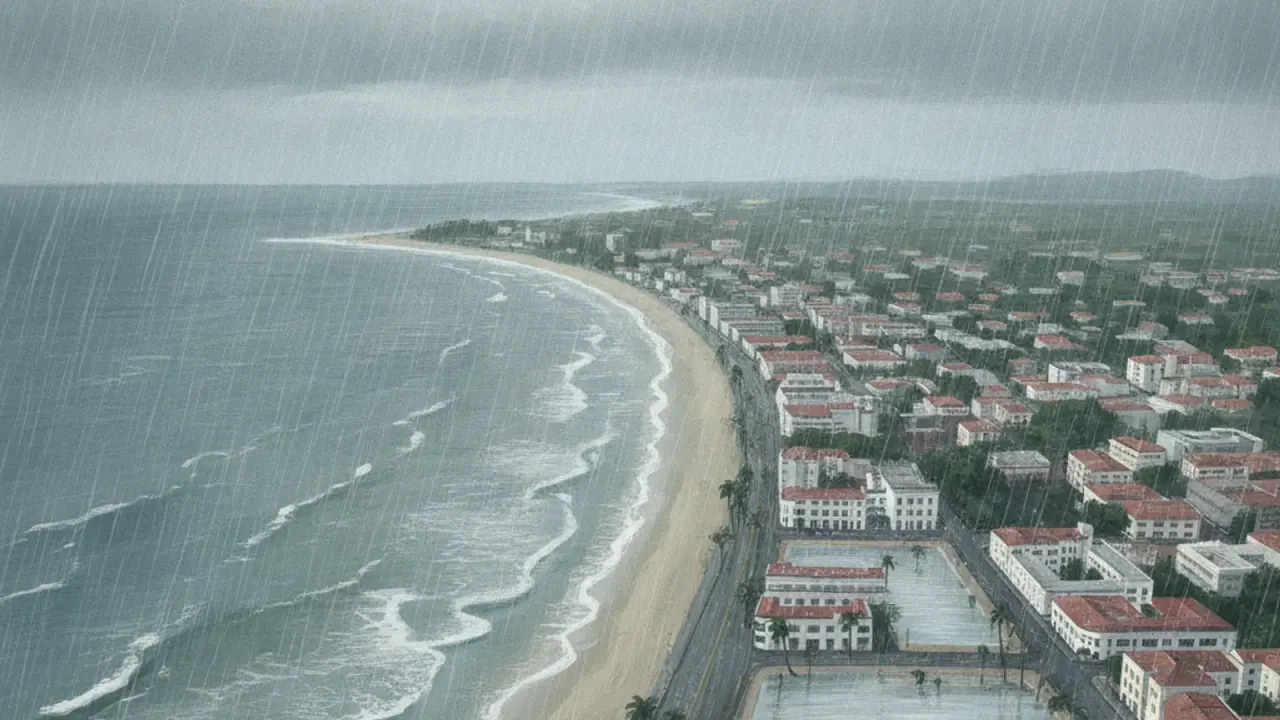
Guayaquil, a major hub on Ecuador's coast, recently experienced a period of intense rainfall that led to widespread water accumulation and localized flooding across several areas. The heavy downpour began on the evening of Tuesday, September 22nd, and continued into Wednesday, September 23rd, 2026.
On Tuesday night, a strong rain was recorded in some northern sectors of Guayaquil. Within approximately an hour, the precipitation had already flooded streets in areas such as Sauces 6. Residents reported water accumulation reaching sidewalks and half the tires of vehicles on main roads in Sauces 6. The rain also caused water to accumulate in other streets of Sauces 5, Guayacanes, and stage 11 of Alborada. The entrance road to the La Florida sector also experienced flooding, as reported by ECU911 around 19:26 that evening. Later, around 20:00, residents in Urdesa, Miraflores, and Bellavista also reported significant precipitation.
The municipal company Segura EP confirmed the presence of rain in Alborada, Juan Montalvo, on the road to Daule, and on Juan Tanca Marengo avenue, among other northern locations, past 20:00 on Tuesday. In response to the conditions, Segura EP deployed units from Emapag and Interagua to address water accumulation in various cooperatives and avenues, including Florida Norte, Quisquis, Los Rosales, Mapasingue Este, Samanes 2 and 6, and Francisco de Orellana avenue. The Guayaquil Transit and Mobility Agency (ATM) also registered wet pavement on Narcisa de Jesús, Benjamín Carrión avenues, and the Flavio Alfaro viaduct.
By Wednesday morning, September 23rd, Guayaquil awoke to continued heavy rains. ECU 911 cameras identified flooded streets in additional sectors such as Pedro Menéndez Gilbert avenue, Quito avenue, and 25 de Julio avenue. The ATM continued to monitor road conditions from its control center, reporting wet pavement on Las Américas avenue, Juan Tanca Marengo, Francisco de Orellana, and Carlos Julio Arosemena. Segura EP reiterated that personnel from Interagua and the Municipal Public Potable Water Company were mobilized to manage issues caused by the rains and facilitate circulation in affected areas.
Notably, as of 06:08 on Wednesday, September 23rd, Segura EP indicated that there had been no reports of fallen trees, structural collapses, sinkholes, fallen poles, or gales directly related to these rain events.
What This Means for Expats
While the recent heavy rains and flooding were concentrated in Guayaquil, this event serves as a practical reminder for expats living along the Pacific coast of Ecuador, including popular areas like Manta, Salinas, Montañita, Puerto López, Olón, Ayampe, Bahía de Caráquez, and Canoa. The coastal region is susceptible to heavy rainfall, particularly during certain seasons, which can lead to localized flooding and impact daily routines.
For those traveling to or through Guayaquil, especially during periods of heavy rain, it's advisable to stay informed about local weather alerts and road conditions. Municipal agencies like ATM and Segura EP often provide updates through their official channels. If you are driving, be aware that wet pavement and standing water can significantly increase travel times and present hazards. Consider alternative routes or delaying non-essential travel if conditions are severe.
Even in smaller coastal towns, heavy downpours can affect unpaved roads, cause temporary power outages, or disrupt local services. It's always a good practice to have a basic emergency kit, ensure your home is prepared for heavy rain (e.g., clear gutters), and have a plan for communication if services are interrupted. While this event in Guayaquil did not report severe structural damage, it highlights the importance of preparedness for natural weather phenomena common to the region.
Sources: eluniverso.com; teleamazonas.com.
Image: AI-generated illustration.
Keep Coastal Ecuador's daily expat briefing independent.
Reader support helps pay for reporting, translation, editing, hosting, and the daily work behind CoastalEcuador.