U.S. Southern Command Intercepts and Destroys Vessels Off Ecuadorian Coast, Raising Judicial Questions in Manta

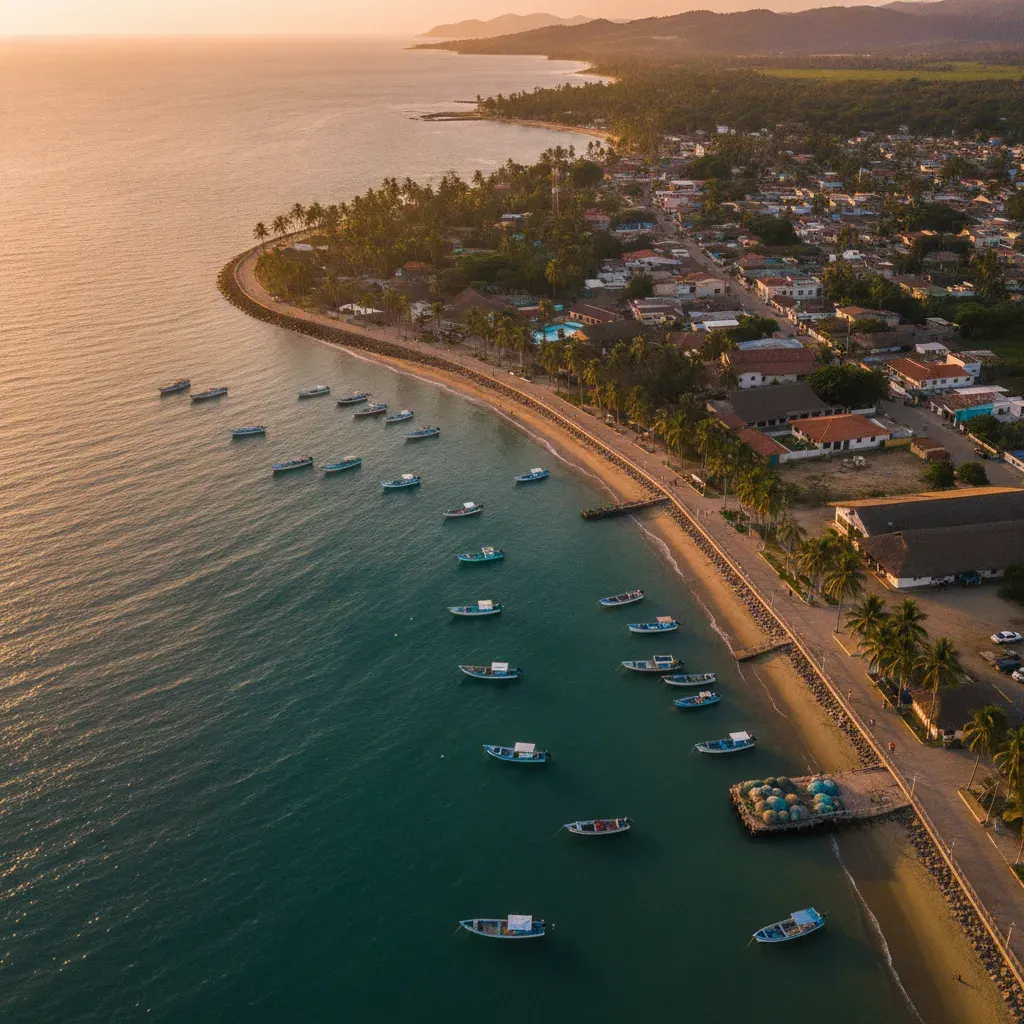
Recent events off the Ecuadorian coast have brought to light complex issues regarding international maritime operations and local judicial processes, particularly impacting Manta. A judge in Manta has issued a sentence stating that the destruction of two vessels, the Conquista 2 and OM2, by the U.S. Southern Command was carried out “without authorization” and that the scene of what the Prosecutor's Office considered a crime was destroyed.
The judicial resolution stems from the interception of these vessels, which departed on Friday, August 28, 2026. Their crew, comprising 28 individuals, arrived at the Manta Port Authority dock on Friday, September 4, 2026, described as 'shipwrecked.' Ecuadorian coast guards subsequently handed these individuals over to the Manta Police.
According to a police report, U.S. Coast Guard USS17 intercepted the Conquista 2 and OM2 because they were allegedly involved in selling and transporting fuel at sea for fast boats of irregular groups without permission. This incident is not isolated; at least eight Ecuadorian vessels have been intercepted and destroyed by the U.S. Southern Command in open sea since August 28, 2026.
The U.S. Southern Command reported on September 3 that it successfully intercepted a vessel operating as a floating refueling station for illicit drug trafficking operations in international waters of the Eastern Pacific. Intelligence confirmed that the intercepted vessel supported the violent terrorist organization Los Choneros. The Littoral Combat Force 24, sailing from the USS San Antonio 17, intercepted, boarded, searched, and evacuated the vessel without incident, stating that rescued individuals would be handed over to Ecuadorian authorities.
During the flagrancy hearing for the 28 detainees from the Conquista 2 and OM2 ships, Prosecutor Tito Mendoza presented a police report and information from the Port Captaincy indicating inconsistencies in the documentation for maritime activities. The Prosecutor's Office noted that six detainees had no record of fishing activity, two were 'inactive,' and one appeared as a 'blocked user.' Furthermore, 16 of the 28 detainees, according to Port Captaincy reports, sailed without permission, which the Prosecutor's Office considered a crime of identity impersonation and illicit association, punishable by three to five years of imprisonment under Article 370 of the COIP.
However, Judge Juan Dueñas of the Manta Judicial Unit of Criminal Guarantees did not qualify the flagrancy and ordered the release of the 28 detainees. The judge questioned the captain of the Conquista 2 about unauthorized crew members and emphasized that it would have been important for the Prosecutor's Office to have brought in a U.S. Coast Guard element to provide details on how events unfolded at sea, especially since the captain denied any illicit activity, claiming only fishing. Defense lawyers argued that no identity impersonation occurred and that the Prosecutor's Office did not present evidence of actual fuel transfers or supply to specific illicit vessels. The judge ordered the Prosecutor's Office to initiate a preliminary investigation when deemed convenient to make the “objective imputations that the law assigns.”
What This Means for Expats
While these incidents primarily concern maritime operations and alleged illicit activities, they highlight several points relevant to expats living along the Ecuadorian coast, particularly in areas like Manta, Salinas, or Puerto López:
- Rule of Law and Judicial Process: The judge's ruling underscores the importance of due process and proper authorization, even in international operations. It shows that Ecuadorian courts are actively scrutinizing actions taken within or near their jurisdiction, ensuring legal procedures are followed. This can be reassuring for expats, knowing that the legal system is functioning and holding actions accountable.
- Maritime Security: The U.S. Southern Command's operations, aimed at disrupting illicit drug trafficking, indicate ongoing efforts to enhance security in the Eastern Pacific. While these operations target criminal organizations, they can lead to increased naval presence and interdictions at sea. Expats involved in recreational boating or fishing should be aware of the general maritime environment and any advisories issued by local authorities.
- Local Economy and Fishing Industry: Manta is a significant port and fishing hub. Incidents involving fishing vessels and their crews can have ripple effects on the local economy and the livelihoods of many residents. Expats who frequent local markets or interact with the fishing community might observe discussions or concerns related to these events.
- Understanding Local Context: These events provide a glimpse into the complex challenges Ecuador faces, including combating organized crime and navigating international cooperation. Staying informed about local news, especially from reputable sources, can help expats better understand the broader context of their adopted home and appreciate the efforts to maintain security and uphold justice.
It's important for expats to remember that while these are significant events, they are specific to maritime law enforcement and alleged criminal activities. They do not directly impact daily life for most residents but contribute to the overall security landscape and judicial discourse in the region.
Sources: primicias.ec.
Image: existing site image, illustrative.
Keep Coastal Ecuador's daily expat briefing independent.
Reader support helps pay for reporting, translation, editing, hosting, and the daily work behind CoastalEcuador.